

The effects of pre-exercise protein intake on fuel substrate selection in skeletal muscle
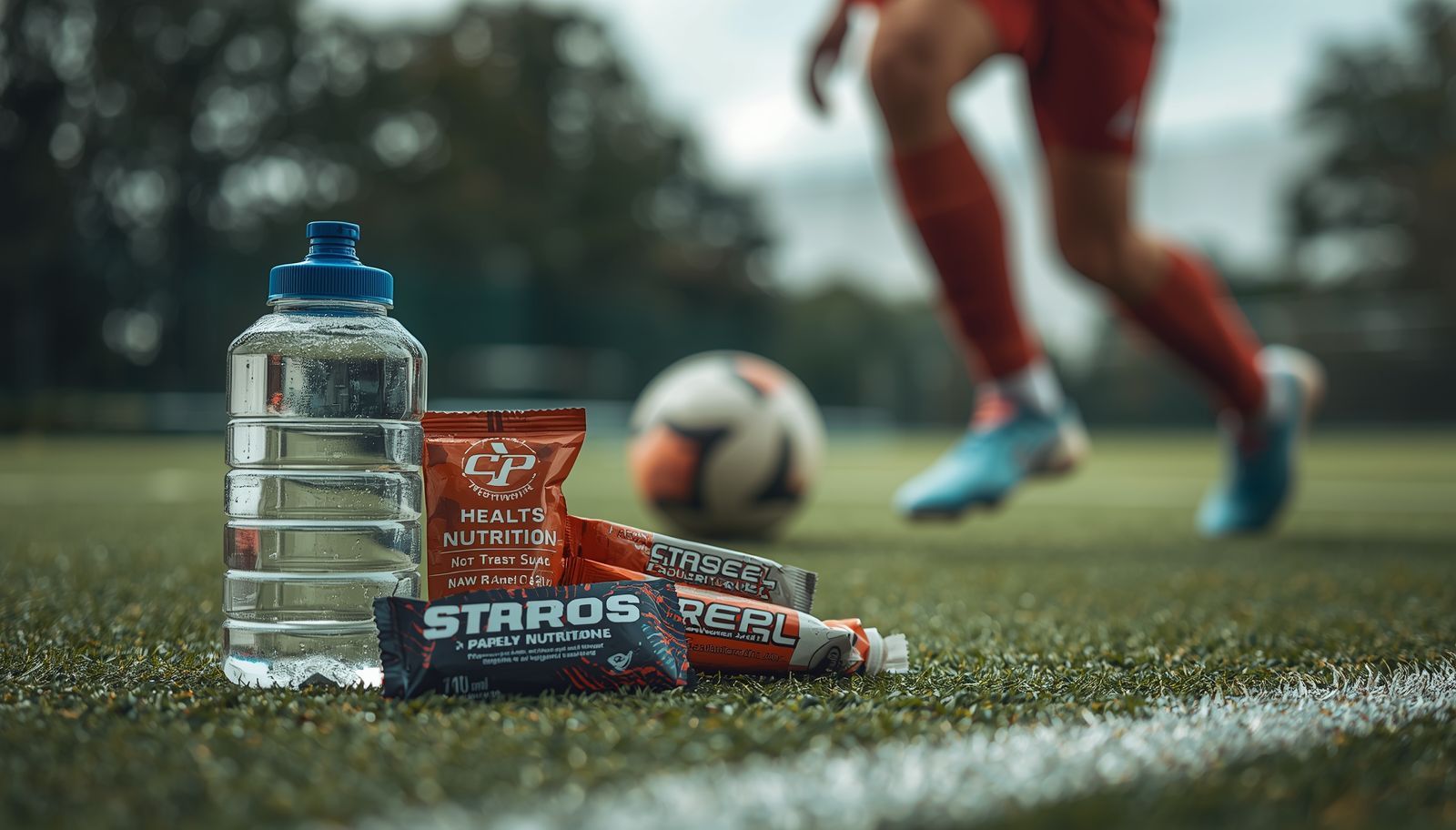
The benefits of fasted exercise, but with some food in your stomach.

Publication: The effect of pre-exercise protein intake on substrate metabolism, energy expenditure, and energy intake: a dose-response study
Authors: Peeters, W. M., Cook, L. E., & Page, O.
Year: 2023
Journal: Journal of the International Society of Sports Nutrition, 20(1), 2275006.
Background:
Athletes use several methods to plan their nutrition around training to maximize training adaptations. A relatively popular strategy is fasted training. The idea behind this approach is that when training in a fasted state (i.e., after waking but before breakfast), the body uses relatively more fat for energy production than when consuming net carbohydrates. This is because a key hormone—insulin—presumably released after consuming carbohydrates shifts energy utilization toward more carbohydrates and less fat. It's thought that when you "force" your body to use more fat (by not eating before exercise), the muscles adapt to burn more fat. This is useful for endurance training where you want to conserve precious and finite carbohydrate stores (glycogen) and delay fatigue.
This theory, however, is highly debatable, and I might dedicate a separate blog post to it. But fasted training remains a popular strategy. The problem now is: when you exercise fasted, the contribution of the increase to energy production also increases (usually around 5% of total energy production, with a few percentage points). This additional heating comes from the breakdown of our precious tissue (e.g., muscle), and we prefer to avoid that! The question then arises: what if we provide dietary protein before exercise, so that this source can be used instead of body protein? This is interesting, because the consumer of increasers also wants to give the body insulin, which in theory should lead to lower fat burning and thus undermine the purpose of exercising fasted.
What we did:
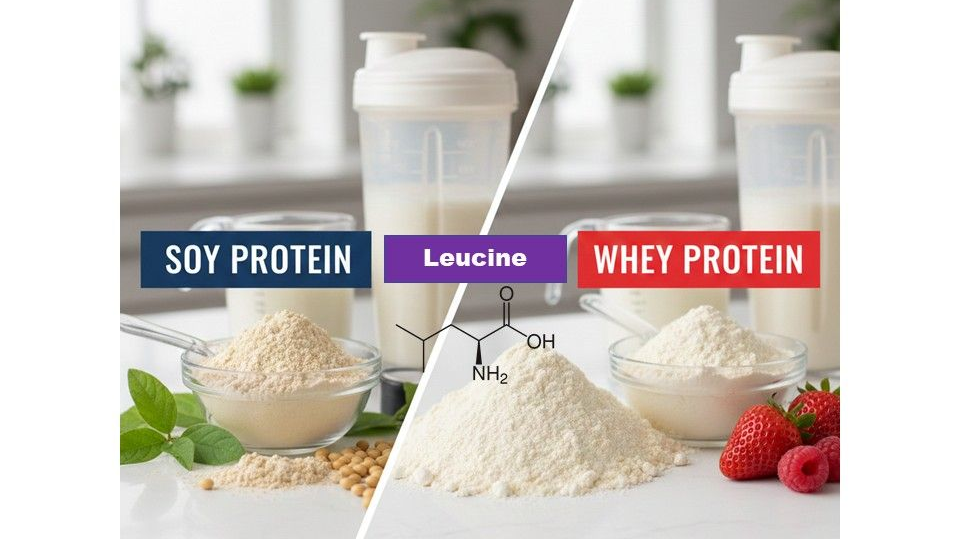
In this experiment, we compared substrate oxidation (measuring the amount of fat burning and carbohydrate burning) during one hour of cycling after people had consumed 0 (as a control, or: fasted condition), 20, or 40 grams of whey protein. Because each participant underwent each condition (i.e., they visited the laboratory on three separate days, each time receiving a different condition—we call this a crossover study), it's more likely that significant actual physiological effects are present, rather than surprising differences between individuals.
Note: How do you measure substrate oxidation? Through a method called indirect calorimetry. We measure the air that people exhale. To create energy, a chemical reaction essentially takes place where oxygen and the substrate react, producing water (H₂O) and carbon dioxide (CO₂). We know the concentration of O₂ and CO₂ in the air. When we inhale this oxygen, some of it is absorbed over time, so it can be sent to the muscles for energy production. This energy-producing reaction produces CO₂, which then drives it to be exhaled over time. So when we measure someone's breathing, the oxygen concentration is lower compared to the controlled air (because we've absorbed it) and the CO2 concentration is concentrated (because the body has to expel it). Together with the volume of exhaled air, we can calculate how much fat and carbohydrates are burned using handy formulas. Amazing, right?
What did we discover?
Nothing! That's really exciting, you might think. Fat burning was no different between fasted training and both doses of protein intake during the 1-hour cycling session. Although we did measure an increase in the hormone insulin after protein intake, which should theoretically inhibit fat burning.
What does this mean?
These considerations have several implications. 1. If your goal for a training session is to maximize the use of a vet as a fuel source, you can eat something before the session. But no carbohydrates, only protein. This can be helpful if you have trouble waking up and getting going before eating. Want something in your stomach? Cholesterol-lowering. 2. Your muscle's choice of fuel depends on both hormonal regulation and the immediate availability of the substrate. This surprising finding suggests that immediate substrate availability may be a more important regulator than hormonal control (because we saw an increase in insulin, but this had no effect on the amount of fuel burned compared to fasted training).
Personal reflections:
Students is the key word here. The idea of pre-workout protein consumption was sparked by a curious student who asked this question. We reasoned about a logical answer, but when we searched the literature, we found that there was hardly any research on this topic. The student (Lee Ager) is now working on his PhD. Secondly, I received assistance during the experiment from my first master's student whom I supervised.