

Chronic effects of post-exercise protein intake in people with type 2 diabetes
Can protein intake after exercise improve the muscles of a person with diabetes?

Publication title: Changes to insulin sensitivity in glucose clearance systems and redox following dietary supplementation with a novel cysteine-rich protein: A pilot randomized controlled trial in humans with type-2 diabetes
Authors: Peeters, W. M., Gram, M., Dias, G. J., Vissers, M. C. M., Hampton, M. B., Dickerhof, N., Bekhit, A. E., Black, M. J., Oxbøll, J., Bayer, S., Dickens, M., Vitzel, K., Sheard, P. W., Danielson, K. M., Hodges, L. D., Brønd, J. C., Bond, J., Perry, B. G., Stoner, L., Cornwall, J., … Rowlands, D. S.
Journal: Redox biology, 67, 102918.
Year: 2023
Background:
Type 2 diabetes (better known as diabetes mellitus) is a lifestyle disease in which the primary symptom is a chronic elevation in blood sugar levels. Although various organs in the body are involved in the pathology, muscle is a key organ. When we eat or drink carbohydrates, a large portion of them is absorbed into the muscles to stabilize blood sugar levels. Over time, lifestyle (little to no physical activity and overconsumption) disrupts the absorption of carbohydrates into the muscles in type 2 diabetes. This causes sugar to remain in the blood, leading to elevated blood sugar levels. This has long-term health consequences. Therefore, if we reverse the underlying causes by exercising, building larger and healthier muscles, and accelerating this process by consuming protein after exercise, we can improve the health of people with type 2 diabetes.
What we did:
We conducted an experiment in which people with diabetes trained in our lab for fourteen weeks (primarily cycling, but also circuit training). We divided the sample into three groups. After each morning workout and in the evening, the control group consumed no protein, one group consumed whey protein (as discussed in previous blog posts, it's a potent activator of muscle protein synthesis), and a third group consumed a mix of whey protein and keratin protein. Before and after the 14-week training program, the participants underwent tests to measure how effectively their muscles take up sugar. This included taking muscle biopsies.

Keratin? Isn't that in shampoos to make your hair look shiny and beautiful? Why would you want to eat it?
This may sound strange, but with the help of nutritional innovation, other researchers have succeeded in processing sheep's wool into an edible powder (like whey). It sounds strange, but hair consists mainly of the component keratin, keratin is a protein, and a protein consists of a chain of amino acids. Therefore, consumption is possible after some processing methods. Based on the amino acid composition of keratin, the theory was that keratin contains several amino acids (cysteine, glycine, and arginine) that could potentially be beneficial for treating type 2 diabetes in very high doses. Arginine can be converted into nitric oxide, which has a positive effect on blood vessel dilation (just like nitrate in beetroot juice), and cysteine and glycine are two essential components for the production of antioxidants (called glutathione). Both processes are disrupted in type 2 diabetes. Whey protein, on the other hand, contains fewer of these amino acids but more of the amino acids that promote muscle protein synthesis. That's why we combined the two protein sources.
Moreover, because sheep's wool is a renewable resource and the supplement is made from raw (low-quality) wool that would otherwise be wasted, it has a strong sustainability and valorization element.
What we discovered:
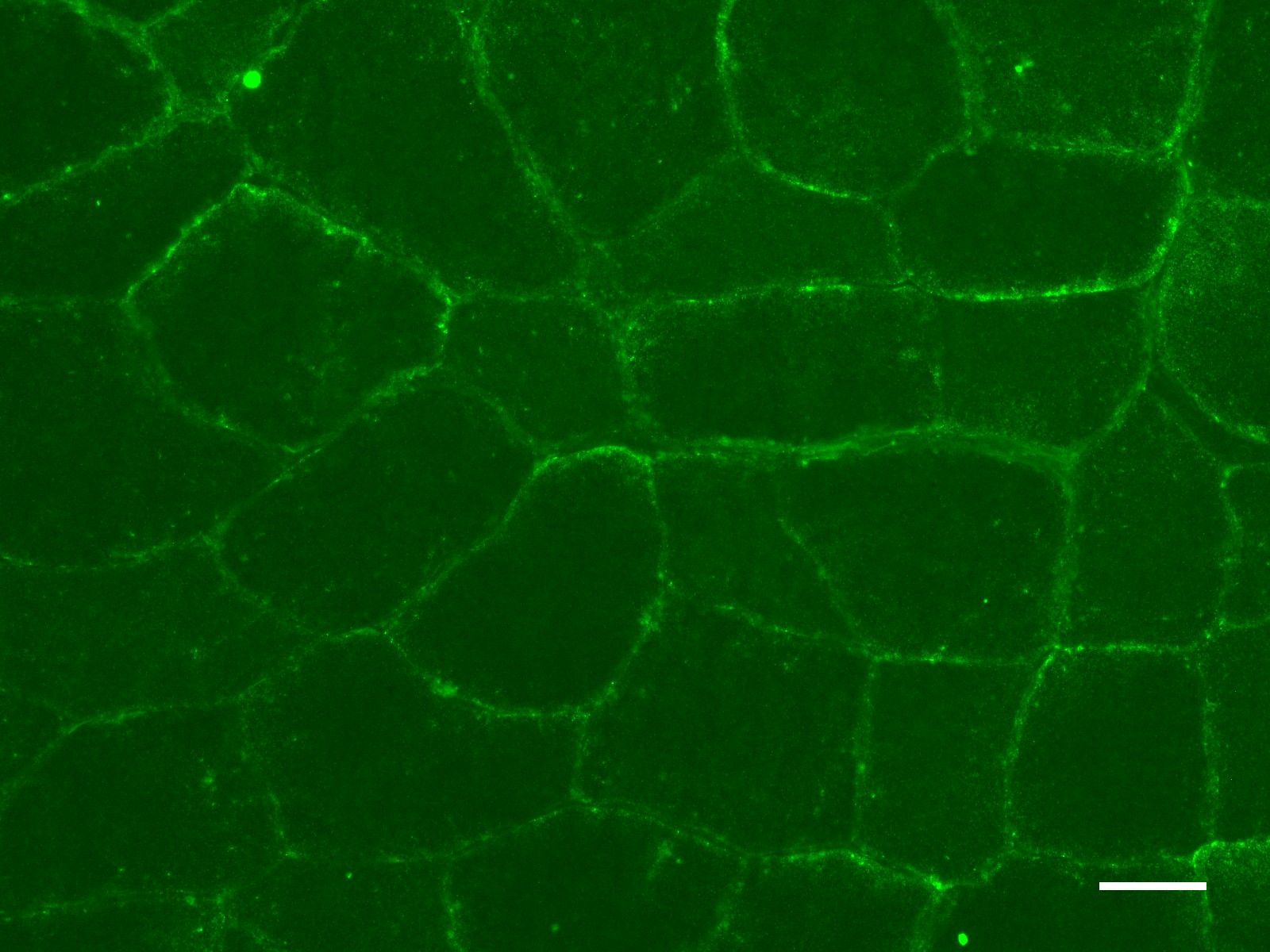
When we measured how well the muscle absorbs sugar again after 14 weeks, it turned out that the group consuming the combination of whey and keratin experienced a greater improvement than whey alone or the control group. We also found that the blood flow to the muscle and the channels that transport sugar into the muscle (glucose transporter 4; GLUT4) were the underlying factors, while the glutathione concentration had not changed significantly.
What does this mean?
This was the first experiment ever to test keratin as a dietary supplement in people with diabetes. The initial results appear to be positive, but more research and repetition of the experiment are certainly needed to determine whether the positive findings are consistent and reproducible.
Personal reflections:
This publication was the result of my doctoral research. The research itself lasted 3.5 years and took place in New Zealand (Wellington, the capital of the North Island, and Dunedin, the South Island). It was an absolutely amazing adventure that I will always cherish. Besides the hard work (for the first 1.5 years, data collection took place, which meant waking up several days a week at 6 a.m., followed by many hours in a dark room behind a microscope analyzing muscle biopsies), I did and saw so much of this beautiful country, and I formed friendships that remain close to this day. Moreover, after 3.5 years, I wasn't done academically. Due to embargoes and rejections from various scientific journals, this research was finally accepted for publication only four years after the end of my PhD. That's science, too....
Link to original article: